


EVA vs Rubber Outsoles: How to Choose the Right Sole for Your Footwear
Oct 28, 2026
Leave a message

1. What Is an EVA Outsole?
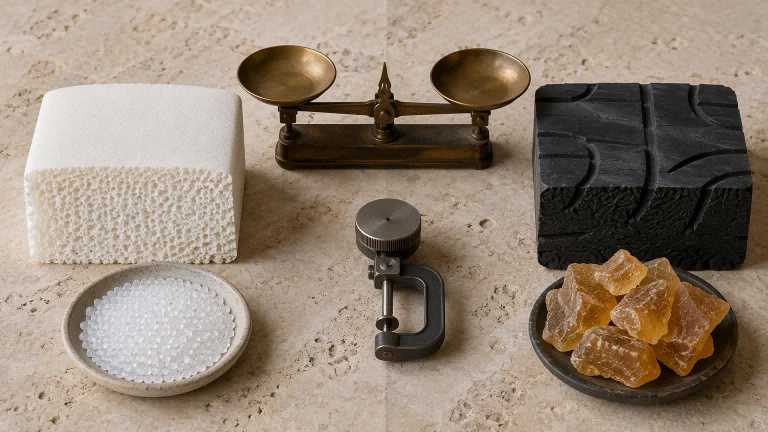
EVA stands for ethylene-vinyl acetate, a polymer that can be processed into a lightweight foam. In footwear, EVA is especially common in midsoles, where it helps absorb impact and create a soft, responsive ride. Some shoes also use EVA as an outsole or as part of a combined sole unit. Depending on the formulation and molding process, manufacturers can adjust its density, firmness, flexibility, and appearance. EVA foam is generally made by blending the material with additives and a foaming system, then molding it under controlled heat and pressure. The finished part contains tiny cells that help reduce weight and cushion each step. Its main advantages are low weight, easy shaping, and comfortable shock absorption. However, foam can compress with repeated loading, and exposed EVA may abrade faster than many rubber compounds.
2. What Is a Rubber Outsole?
A rubber outsole is made from natural rubber, synthetic rubber, or a blend of compounds. Natural rubber (NR) is known for elasticity and grip; styrene-butadiene rubber (SBR) is often used where abrasion resistance and cost balance matter; and chloroprene rubber (CR, commonly associated with neoprene) can provide useful weather and environmental resistance in selected applications. Actual performance depends on the complete formulation, fillers, hardness, tread pattern, and curing process-not just the rubber type. Rubber compounds can be molded with lugs, grooves, and textured surfaces to suit different ground conditions. They are commonly chosen for their abrasion resistance and dependable traction, though they usually add more weight than EVA foam.
3. EVA vs Rubber Outsoles: Side-by-Side Comparison
The table below offers a general guide. Specific results vary by compound, density, tread geometry, manufacturing quality, and testing method.
|
Factor |
EVA |
Rubber |
|
Weight |
Very light; useful for reducing overall shoe weight. |
Usually heavier, especially in thick or high-coverage outsoles. |
|
Cushioning |
Typically soft and effective at absorbing impact. |
Often firmer; cushioning depends on compound and sole design. |
|
Traction |
Can grip well in some designs, but foam alone may not suit demanding wet or oily conditions. |
Often provides stronger, more consistent traction when the compound and tread are properly selected. |
|
Abrasion resistance |
Exposed foam may wear or tear relatively quickly. |
Generally better for repeated contact with rough ground. |
|
Flexibility |
Can be very flexible, depending on density and thickness. |
Ranges from flexible to firm depending on compound and construction. |
|
Temperature performance |
Properties can change with temperature; formulation matters. |
Varies by rubber type; select and test for the expected temperature range. |
|
Water resistance |
The material itself absorbs little water, but the shoe construction still matters. |
Generally water-resistant as a material; seams and the overall shoe are separate factors. |
|
Cost |
Often economical for lightweight molded components, though tooling and formulation affect price. |
Cost varies by compound, tread complexity, and production volume. |
|
Rebound |
Foam formulation determines energy return and compression recovery. |
Elasticity varies by compound; it is not always as soft or light as EVA. |
Important: neither material guarantees slip resistance. For wet floors, oily workplaces, or outdoor rock, evaluate the actual outsole compound and tread design and request appropriate slip or wear testing when needed.
4. Pros and Cons of EVA Outsoles
4.1 Benefits of EVA Outsoles
EVA is a strong option when light weight and cushioning are top priorities. It can help reduce fatigue during everyday walking and allows designers to create sculpted, modern sole profiles. Its foam structure also supports a range of softness levels, making it useful for casual sneakers, comfort footwear, and selected indoor styles.
4.2 Limitations of EVA Outsoles
Repeated compression can cause some EVA foams to lose thickness or cushioning over time, a behavior often called compression set. Exposed foam can also show faster abrasion, cuts, or damage on rough surfaces. Grip is highly design-dependent, so EVA should not be assumed suitable for slippery or oily environments without testing. Compound selection and a rubber contact layer can help address some of these limits.
5. Pros and Cons of Rubber Outsoles
5.1 Benefits of Rubber Outsoles
Rubber is widely used when traction, abrasion resistance, and stable ground contact matter. A well-designed rubber outsole can handle pavement, trails, and frequent use, while tread lugs and grooves can be tailored to the intended terrain. For brands developing outdoor or work footwear, rubber can offer a durable ground-contact surface.
5.2 Limitations of Rubber Outsoles
Rubber usually weighs more than EVA and may feel firmer underfoot if the shoe has limited cushioning elsewhere. Some compounds also increase material or processing costs. Rubber is not automatically slip-proof: performance depends on the compound, tread, surface, contaminants, and test conditions.
6. Best Use Cases for EVA Outsoles
EVA outsole footwear suits designs where low weight and soft cushioning are central goals. Common examples include lightweight casual sneakers, comfort-focused walking shoes, slippers, and indoor footwear. EVA is also widely used in running-shoe midsoles, although many running shoes use rubber in high-wear outsole zones. For the best outsole for walking shoes, consider the route and frequency: EVA may work well for light daily use on predictable surfaces, while frequent outdoor walking may benefit from rubber coverage in the areas that contact the ground most.
7. Best Use Cases for Rubber Outsoles
Rubber outsole shoes are often preferred for hiking footwear, outdoor walking shoes, skate shoes, and many work styles because they can provide good wear life and traction when correctly specified. For wet, uneven, or rugged terrain, look at both the rubber compound and the lug pattern. In workplaces with oil, grease, or other contaminants, choose footwear tested for the relevant hazard rather than relying on the word "rubber" alone. For safety footwear, confirm that the complete shoe meets the standards required for the job.
8. Hybrid Outsoles: EVA Base + Rubber Patches
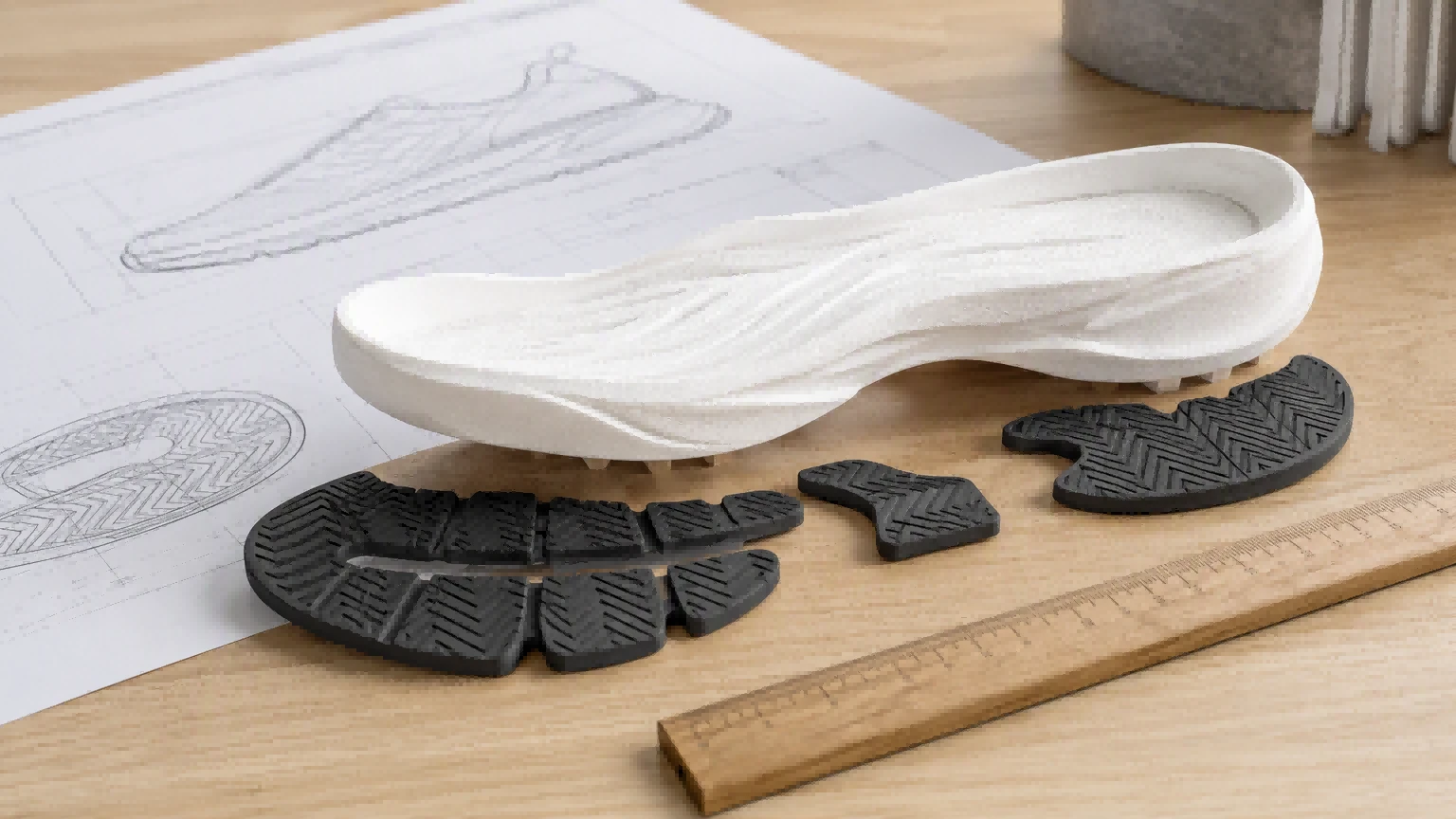
A hybrid sole combines EVA for cushioning and low weight with rubber patches at key ground-contact areas. The EVA base can reduce bulk, while strategically placed rubber at the heel, forefoot, or high-wear zones can improve abrasion life and traction. This approach is common in sneakers and walking shoes that need a balance of comfort, weight, and durability. It can also help brands manage rubber coverage and overall material use. The trade-off is added design and assembly complexity, and patch placement must match the way the shoe contacts the ground. A hybrid construction is worth considering when neither all-EVA nor full-rubber construction meets the product brief.
9. Key Buying Checklist: How to Choose
- Where will the shoes be worn most-indoors, on pavement, on trails, or in a wet workplace?
- Is low weight and cushioning more important than abrasion resistance and grip?
- How many hours per day and how frequently will the shoes be worn?
- Will the outsole contact rough stone, sharp edges, oil, or other challenging surfaces?
- What are the target retail price, expected service life, and acceptable shoe weight?
- Can the supplier provide material specifications and relevant abrasion, flex, or slip-resistance test results?
10. Frequently Asked Questions
-
Are EVA outsoles slippery when wet?
They can be, but not always. Grip depends on the EVA formulation, surface texture, tread design, and the floor or ground condition. For wet or hazardous environments, request testing on the relevant surface.
-
Do EVA soles flatten over time?
Some EVA foams develop compression set after repeated loading, which can reduce thickness or cushioning. The rate depends on foam density, formulation, use, and construction.
-
Which lasts longer: EVA or rubber outsole?
Rubber generally offers better abrasion resistance for direct ground contact. However, durability depends on compound quality, tread depth, use conditions, and how the sole is designed.
-
Is rubber outsole good for running?
Yes. Rubber is commonly used in running-shoe outsole zones because it withstands ground contact. Many running shoes pair a cushioned foam midsole with rubber in high-wear areas.
Can EVA outsoles be repaired?
Minor repairs may be possible depending on the shoe and damage, but foam outsoles are not always easy to repair reliably. A footwear repair professional can assess whether repair or replacement is practical.
Conclusion
When comparing EVA vs rubber outsoles, start with the shoe's intended use rather than choosing by material name alone. EVA is often the better fit for lightweight designs that prioritize cushioning, while rubber is generally favored for abrasion resistance and dependable traction. A hybrid EVA-and-rubber sole can offer a useful middle ground for walking shoes and sneakers. For footwear brands and buyers, confirm the target terrain, wear expectations, weight, price, and relevant test requirements with the manufacturer before finalizing the specification. The right outsole is the one that matches the product brief and performs reliably under real use conditions.