


How to Choose the Right Women's Shoe Factory for Your Brand
Oct 20, 2026
Leave a message

1. Confirm the Factory's Specialization in Women's Footwear
Not every footwear manufacturer has the same production expertise. Some factories specialize in women's heels and sandals, while others focus on sneakers, boots, flats, or casual footwear. Choosing a manufacturer familiar with your product category can make development and production more efficient.
Start by reviewing the factory's product portfolio. Look for styles similar to your planned collection in terms of construction, materials, and design complexity. For example, manufacturing a lightweight women's sneaker requires different production knowledge from developing a structured leather boot or a high-heeled shoe.
Ask whether the manufacturer can support OEM and ODM services. OEM manufacturing generally follows your specifications, designs, and branding requirements, while ODM services may offer existing designs that can be adapted to your brand.
You should also clarify whether you are working directly with a factory or through a trading company. A trading company may provide valuable sourcing and coordination services, but understanding who handles production, quality control, and technical decisions helps you assess the supply chain accurately.
2. Evaluate Production Capacity and MOQ Terms
Production capacity is another essential consideration when choosing a women's shoe manufacturer. A factory should have sufficient resources to meet your order requirements without compromising quality or delivery schedules.
Ask about monthly production capacity, typical sample development time, and bulk production lead time. These figures should be evaluated in the context of your specific shoe type and order quantity. A factory's total monthly output does not necessarily indicate how quickly it can complete your particular order.
Minimum order quantity (MOQ) is equally important. Established brands may be comfortable ordering hundreds or thousands of pairs per style, while emerging brands often need smaller quantities to test market demand.
Confirm whether the MOQ applies per style, color, or size. Some manufacturers require minimum quantities for each colorway because materials must be purchased in bulk or production lines need sufficient volume to operate efficiently.
You should also discuss production scheduling. During peak seasons, factory capacity can become limited. Understanding how orders are scheduled and how delivery dates are confirmed can help you plan product launches more effectively.
3. Check Material Options and Craftsmanship Standards
Materials influence a shoe's appearance, durability, comfort, and overall cost. Before choosing a factory, review its available materials and confirm whether they meet your product positioning and target price.
Common options for women's footwear include genuine leather, synthetic leather, mesh, knitted fabrics, suede, and various rubber or PU outsole materials. Each has different characteristics. Genuine leather may offer distinctive texture and breathability, while synthetic leather can provide a wider range of finishes and price points.
Ask the manufacturer how materials are selected, sourced, and inspected. For customized footwear, confirm whether the factory can match your requested colors, textures, and material thicknesses. Color samples and physical swatches are particularly useful because digital images may not accurately represent the final material.
Manufacturing techniques also affect product performance and appearance. Cold cement construction, injection molding, and hand stitching serve different purposes and have different production requirements. The appropriate method depends on the shoe design, materials, intended use, and durability expectations.
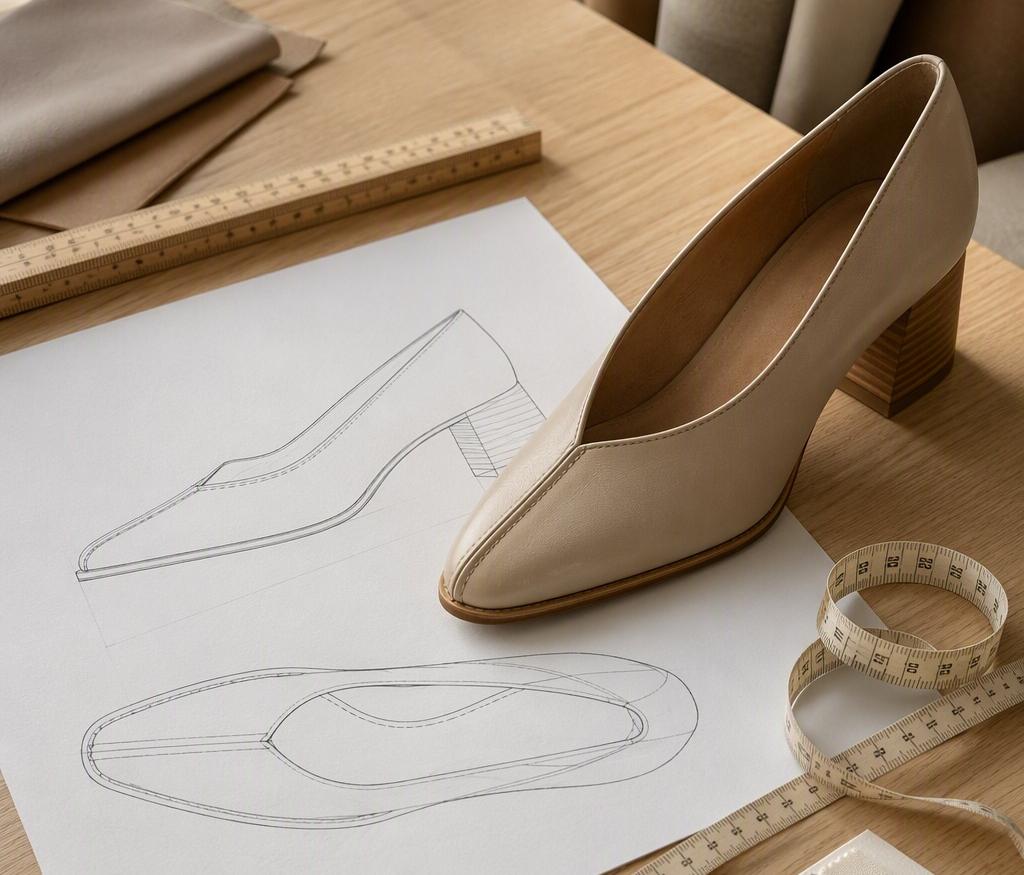
Before placing a bulk order, review the sample development process. Ask about sampling costs, development lead times, available revisions, and what happens if the first sample does not meet your specifications. A clear approval process helps prevent misunderstandings during mass production.
4. Review Certifications and Compliance Requirements
Compliance is an important part of selecting a women's shoe factory, especially when selling in international markets. Requirements vary depending on the destination country, product category, materials, and customer expectations.
For example, BSCI and Sedex are associated with social compliance assessment and supply chain transparency. ISO 9001 is a quality management system standard. These should not be treated as interchangeable certifications, and their relevance depends on your sourcing requirements.
REACH is an EU chemicals regulation, while California Proposition 65 establishes warning requirements for certain exposures in California. Neither is simply a factory certification. Brands should determine which legal requirements and testing obligations apply to their specific products and markets.
Ask the manufacturer what documentation it can provide, whether relevant assessments are current, and whether material testing can be arranged when needed. Depending on the product and destination, testing may address restricted chemicals, colorfastness, or other material and product characteristics.
If your customers require social audits or third-party assessments, confirm these expectations before production begins. Verifying compliance early can help prevent rejected orders, unexpected testing costs, and delays at later stages.
5. Inspect the Quality Control System
A reliable women's shoe factory should have a defined quality control (QC) process rather than relying solely on a final inspection.
Quality checks should begin with incoming materials. Leather, fabrics, hardware, and outsoles should be inspected for relevant defects, color variations, and consistency with approved specifications.
During production, in-line inspections can identify problems such as uneven stitching, incorrect bonding, poor alignment, or inconsistent assembly. Detecting these issues early generally makes corrective action easier and less expensive.
Before shipment, finished shoes should be inspected against the agreed specifications and approved sample. Depending on the order, checks may include appearance, sizing, workmanship, bonding, packaging, and quantity.
Ask the manufacturer how defects are documented and handled. Clarify the process for rework, replacement, or other remedies when products fail to meet agreed requirements. You should also confirm whether third-party inspections are accepted and who will cover the associated costs.
A documented QC process gives both parties a clearer basis for evaluating product quality and resolving disputes.

6. Evaluate Communication and Customization Support
Good communication is essential when developing customized footwear. Even a capable factory can become difficult to work with if technical details are misunderstood or questions remain unanswered for too long.
Evaluate how clearly the supplier explains production limitations, material options, costs, and delivery schedules. Responsive communication is valuable, but accurate answers and realistic commitments matter more than speed alone.
For private-label footwear, confirm the factory's ability to support your branding requirements. These may include logo embossing, printing, customized insoles, branded shoe boxes, tissue paper, and other packaging elements.
Some customizations require additional setup fees, printing plates, molds, or minimum quantities. Discuss these requirements before finalizing your budget.
Technical support is another consideration. Women's shoes often require careful attention to fit, heel height, toe shape, and size grading. Ask whether the manufacturer can adjust patterns, develop samples, and review fit issues across the required size range.
Clear specifications and timely feedback help reduce sample revisions and improve the chances of achieving the intended design.
7. Compare Pricing and Payment Terms
Price is important, but the lowest quotation does not always represent the best value. Two factories may quote different prices because they use different materials, construction methods, packaging standards, or production assumptions.
Request a detailed quotation that identifies the main cost factors. Depending on the project, these may include materials, manufacturing, packaging, sample development, logo setup, molds, and shipping. Clarify which costs are included and which are charged separately.
Payment terms should also be discussed before placing an order. Confirm the deposit requirement, balance payment schedule, accepted payment methods, and the conditions under which production will begin.
Pay attention to potential hidden costs. New outsole molds, custom lasts, special materials, additional sample revisions, and customized packaging can increase the total project budget.
For an accurate comparison, ask all shortlisted manufacturers to quote against the same specifications and quantities. This makes it easier to distinguish genuine cost advantages from differences in product requirements.
8. Recognize Red Flags When Selecting a Women's Shoe Manufacturer
Certain warning signs deserve closer attention during supplier evaluation.
Be cautious if a supplier cannot provide reasonable evidence of its manufacturing capabilities or refuses appropriate factory verification. If production is outsourced, ask for transparency about the production arrangement rather than assuming the supplier manufactures everything in-house.
Extremely low prices can also be a concern when material specifications, workmanship standards, or included services are unclear. Request written details and compare them with your requirements before making a decision.
Another warning sign is unrealistic promises about sample quality or production lead times. Customized footwear development involves material sourcing, pattern adjustments, sample production, and approval. Timelines that ignore these steps may create problems later.
Finally, pay attention to how the supplier handles technical questions and quality concerns. Vague answers, inconsistent specifications, and an unwillingness to document important agreements can make long-term cooperation more difficult.
9. Follow Practical Steps to Finalize Your Factory Partner
Once you understand your requirements, use a structured process to select the most suitable manufacturer.
Shortlist three to five qualified suppliers. Compare their product expertise, customization capabilities, MOQ, pricing, and compliance documentation.
Verify their capabilities. Review product samples, request factory photos or a video tour, and arrange an audit when necessary. Confirm who will handle production and quality control.
Develop and evaluate samples. Assess materials, construction, comfort, fit, finishing, and branding details against your specifications. Provide written feedback and approve the final sample before bulk production.
Place a manageable trial order. When commercially feasible, start with a quantity that allows you to evaluate actual production quality, communication, packaging, and delivery performance. Confirm that the proposed quantity meets the factory's MOQ.
Establish a long-term working process. Agree on specifications, quality standards, inspection procedures, production milestones, and communication responsibilities. Document important changes and approvals throughout the project.
This process helps you make decisions based on verified capabilities and actual performance rather than sales promises alone.
Conclusion
Choosing the right women's shoe factory requires more than comparing quotations. Brands should evaluate manufacturing expertise, production capacity, MOQ flexibility, material options, craftsmanship, compliance, quality control, and communication before committing to a supplier.
A suitable manufacturer should match your product requirements, business stage, and growth plans. For emerging brands, that may mean finding a supplier with manageable MOQs and strong development support. For established businesses, consistent quality, production capacity, and reliable delivery may take priority.
Take the time to verify capabilities, test samples, clarify costs, and document expectations before placing a bulk order. A well-chosen manufacturing partner can help your brand maintain product consistency, reduce supply chain risks, and build a more sustainable foundation for long-term growth.