




Hangzhou Huangxuan Trading Co., Ltd. : Your Trustworthy Sports Shoes Manufacturer!
Our company established in 2011 and located in Hangzhou city, Zhejiang province. Our focus is on manufacturing and exporting shoes to the world, with our main markets being the North America, Europe, Asia and Middle East . We are proud to have established deep collaborations with renowned brands, such as Geox, Pinko, Mercer, Fuego and many more.
Rich Product Range
Our products include vulcanized canvas shoes, casual sports shoes, running shoes, sports shoes, golf shoes, dance shoes, cycling shoes, canvas shoes and more for men, women and children.
Wide Sales Market
Our products are exported to North America, Europe, Asia and the Middle East, and our customers mainly include the United States, Canada, the United Kingdom, Spain, Germany, the Netherlands, Portugal and other countries.
Leading Service
We have many years of industry experience and a complete production management, quality supervision, sales service operation system. Whether you want to buy casual sports shoes or running shoes, just send your requirements by email and we can customize the products for you.
Customizable
Our products can accept OEM/ODM customization, and our experienced sampling experts can produce samples that meet your requirements in a short time.


What is Sports Shoes
An athletic shoe is a name for a shoe designed for sporting and physical activities, and is different in style and build than a dress shoe. Originally used mainly during sports, today they are worn as casual footwear. They are often very comfortable and usually have lots of padding.
Offer Protection
Sports Shoes have a better fit, and they are designed for the specific purpose of running, so you can expect protection. You can avoid tripping or spraining your feet, which are common risks in this activity. Those with flat feet can benefit from their arch support. Other protection they offer are from supination or rolling your foot outward and overpronation or rolling your foot forward when you run.
Provide Better Comfort
These shoes have cushions at the right places, so they offer comfort, which you want if you are running for miles. Other types of shoes may not provide the same cushioning since they are made for walking. The midsole cushioning provides impact absorption, although it can also make the shoes get damaged more quickly. Some shoes have softer cushions than others, and it depends on your personal preference where you feel most comfortable.

Types of Sports Shoes
Running Shoes
When you're ready to run, you'll need a pair of shoes with thick padding to absorb the shock of your foot stepping on the pavement. Running shoes are designed to create forward motion while protecting the forefoot and heel. A good pair of running shoes will avoid the risk of stress fractures, tendonitis or other problems.
Minimalist Shoes
If you want to run barefoot but have support, the minimalist “5-toed” shoes are the ideal choice for the practitioner. They are light, flexible and do not have thick padding. It remains unclear whether these shoes are better or worse than others in preventing injury. One study found that pain and injury were more common among runners who wore minimalist shoes. People who are overweight are at a higher risk of injury.
Walking Shoes
The way to choose sports shoes for people who like to walk is to find a light shoe. That shoe also needs to have extra shock absorption in the heel and foot to reduce pain and muscle tension. Shoes with slightly rounded soles will help transfer weight more gently from heel to toe. Walking shoes also have stiffer parts in the front so that the wearer can roll the toes instead of flexing like in running shoes.
Anatomy of a Sports Shoes


Upper
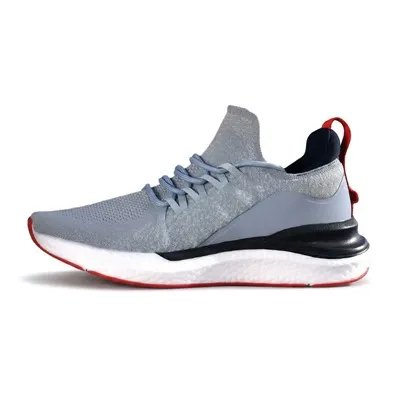
The upper is made of fabric and mesh, and usually refers to everything above the sole of the shoe. Look for an upper that has smooth seams to minimize chafing and blisters.
Outer
Different outsole combinations of foam and rubber can provide a mix of durability and protection. Keep in mind that the more durable the outsole, the more weight it’s likely to add, so finding the right balance for you may take some trial and error.
Midsole
The midsole cushioning is sandwiched between the shoe’s outsole and the mesh or fabric upper. This section of the shoe serves to cushion the foot from the impact of hitting the ground. The amount of cushioning is a personal preference, so be sure to try a few types before committing.
Heel Counter
The heel counter is a cup that’s situated near the rearfoot and serves to provide support and stability upon landing.
Ankle Collar
The ankle collar is the padding near the, you guessed it, ankle. The padding serves to hold the ankle down and keep the foot secure. Some ankle collars might rub or cause Achilles tendon irritation, so this is an important feature to test.
Toe Box
The toe box is at the very end of your shoe located between the laces and the beginning of the sole. Look for a shape that allows your toes to spread naturally. Some trail running shoes are reinforced in this area to prevent stubs.
Toe Spring
The toe spring is the upward curvature of the toe box. It keeps the toes flexed upward and helps the foot move forward in its stride.
Saddle
The saddle is the part of the shoe that’s near the laces. The saddle works in conjunction with the eyelets and laces to keep the foot secure. To make sure the saddle is sturdy and keeps your foot in place, make sure the shoe doesn’t slip and that you don’t experience any rubbing while wear-testing the shoe.
Forefoot Cushioning
Shoes can be well-cushioned and still have a low drop, but the key here is to have a similar amount of cushioning in the heel and forefoot areas. That’s not necessarily a bad thing for all runners, but something to pay attention to if you’re in the market for racing shoes.
Heel Cushioning
Heel cushioning is mainly a matter of preference. Do you like that weightless feeling that mimics running on clouds? Or do you prefer more contact with the ground? Be sure to consider your own comfort preferences when browsing different options.
Heel to Forefoot Drop
The drop of a shoe is the angle between the heel/rearfoot and the toe/forefront. The greater the angle, the bigger the drop. Many traditional running shoes have a drop of about 10mm, and the extra cushioning in the rear serves to absorb impact. Many shoes on the market now have a lower (or even zero) drop, which encourages a mid-foot strike (vs. heel striking).
Stability Features
Many stability and motion control shoes include things like medial posts and guard rails to keep the foot in a more neutral pronation position. Stability features are most important to runners who tend to overpronate, which is when the outer edge of the heel hits the ground first with the foot rolling inwards onto the arch.
Sockliner
This is the removable foam pad at the bottom of your shoe. Depending on the shoe, the liner can offer a lot of cushioning, or only minimal padding and arch support.
Customization Process of Sports Shoes
Shipping and Stamping the Fabric
First, prepared rolls of synthetic material and rolls of dyed, split, and suede leather (used as part of the foxing) are sent to the factory.
Next, die machines stamp the shoe shapes, which are then cut out in cookie cutter fashion with various markings to guide the rest of the assembly. After being bundled and labeled, these pieces are sent to another part of the factory where they'll be stitched.
The pieces that will form the upper part of the shoe are stitched or cemented together and the lace holes punched out. These pieces include the featherline, the vamp, the mudguard, the throat (with eyestay and lacing section), the tongue, reinforcements such as the saddle or arch bandage, the collar (with Achilles tendon protector), the foxing, and the logo. At this point, the upper looks not like a shoe but like a round hat, because there is extra material—called the lasting margin —that will be folded underneath the shoe when it gets cemented to the sole.
Next, the insole is stitched to the sides of the upper. Stiffening agents are then added to the heel region and toe box, and an insole board is inserted.
Attaching the Upper and Bottom Parts
The completed upper is heated and fitted around a last, a plastic mold that forms the final shape of the shoe. An automatic lasting machine then pulls the upper down over the last. Finally, a cement nozzle applies cement between the upper and insole board, and the machine presses the two pieces together to bond them. The upper now has the exact shape of the finished shoe.
Pre-stamped and cutout forms of the midsole and outsole or wedge are layered and cemented to the upper. First, the outsole and midsole are aligned and bonded together. Next, the outsole and midsole are aligned with the upper and placed over a heater to reactivate the cement. As the cement cools, the upper and bottom are joined.
The shoe is removed from the last and inspected. Any excess cement is scraped off.
Clean With a Dry Brush
Before you wash your shoes, you should remove any large chunks of dirt and grime. Use an old toothbrush or dry scrub brush. Rub the dry brush over any problem spots to remove excess dirt and grime.
Mix Warm Water With Laundry Detergent
Fill up your sink with water that is warm, but not hot. Then mix in a small amount of laundry detergent.
Remove the Insoles and Laces
Laces and insoles need to be cleaned separately. Remove them from the shoe and place them to the side.
Wet a Sponge
Alternatively, you can use a soft towel or a soft bush. Be sure that the sponge has absorbed sufficient soap and water before squeezing out excess moisture. Use the solution to scrub out problematic stains.
Wet a Sponge With Clean Water to Remove Soap
After you have removed stains, dunk a second sponge or cloth in warm water without soap. Rub the shoe to remove all excess soap.
Allow to Air Dry
Do not place shoes in the drier. Leave them out in room temperature. Allow them to dry naturally.
Certificate


Frequently Asked Questions
Hangzhou Huangxuan Trading Co., Ltd. is one of the most professional sports shoes manufacturers and suppliers in China, featured by quality products and good service. Please rest assured to wholesale customized sports shoes at competitive price from our factory. For low MOQ service, contact us now.
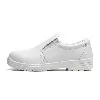
Ladies Casual Shoes Slip On, OEM Order Customized White Sports Shoes, Light Weight Sneakers Running Sustainable Shoes