


Types of shoe soles
Nov 01, 2023
Leave a message
Types of shoe soles
Rubber
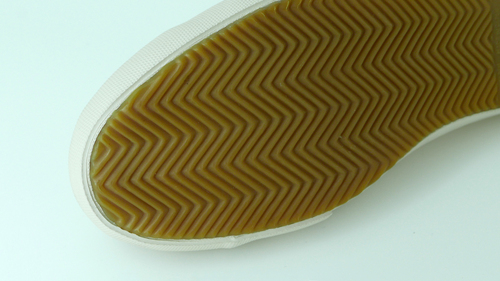
Rubber outsoles are slip-resistant and provide moderate elasticity. They are created by mixing various materials such as reinforcing agents, vulcanizing agents, accelerators, and anti-aging agents. The rubber is then subjected to heat and pressure through a chemical reaction called vulcanization, resulting in a durable material. Rubber outsoles can also be foamed and used in a sponge-like form. Rubber can be further classified into natural rubber and synthetic rubber. Natural rubber, obtained from rubber trees, offers excellent strength and elasticity. Synthetic rubber, produced from petroleum, is widely used in shoe manufacturing, with Styrene-Butadiene Rubber (SBR) being the most commonly used type. Synthetic rubber outsoles offer good abrasion resistance and aging resistance.
PVC (Polyvinyl Chloride)
PVC is one of the most commonly used plastic materials worldwide and has excellent properties. It is easy to manufacture, but it tends to become slightly rigid at low temperatures, limiting its use to certain products.

PU (Polyurethane):
PU outsoles possess excellent abrasion resistance, resilience, and oil resistance. They are lighter compared to rubber. PU is a thermoplastic resin, and there are different types such as TPU (Thermoplastic Polyurethane) and foamed PU used in a sponge-like form.

EVA (Ethylene Vinyl Acetate)
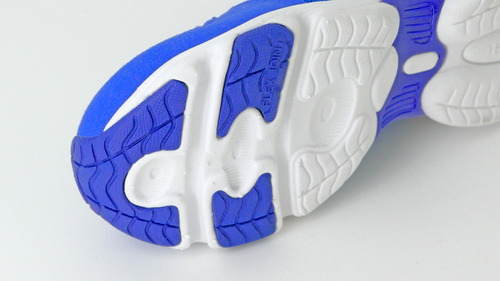
EVA is an extremely lightweight material. While it has lower wear resistance, slip resistance, and durability compared to other outsole materials, it can be blended with rubber or other resins to improve its properties.
IP EVA
Durable and grippy, lightweight and comfortable, rubber and plastic outsoles are the ideal choice, widely used in various types of footwear such as sports shoes, casual shoes, and outdoor shoes.
