


Private Label Women's Shoes: Everything You Need to Know Before Launching
Nov 02, 2026
Leave a message

1. Private Label vs. White Label vs. OEM vs. ODM for Women's Shoes
Before contacting manufacturers, it is important to understand the different production models.
|
Model |
Description |
Customization |
|
White Label |
Choose existing shoes and add your brand label |
Limited |
|
Private Label |
Select existing styles and customize branding, materials, or colors |
Moderate |
|
ODM |
Develop footwear based on existing designs and factory expertise |
Flexible |
|
OEM |
Manufacture shoes according to your original designs and specifications |
Extensive |
White label is suitable for businesses that want to enter the market quickly with minimal product development.
Private label footwear for women offers more branding flexibility. You can select proven shoe designs and customize details such as materials, colors, logos, and packaging.
ODM is a good choice if you want to develop distinctive products with a manufacturer's design and development support. OEM is more suitable for brands with established designs, technical drawings, and specific product requirements.
For first-time buyers, starting with existing shoe constructions and customizing selected details can help reduce development costs and market risks.
2. Define Your Brand Positioning and Target Audience First
A clear brand position helps you make better product and sourcing decisions.
Start by choosing your target footwear category. Popular options include:
- Sneakers and casual shoes for everyday wear
- Sandals for spring and summer collections
- Heels and pumps for formal occasions
- Flats for office and daily use
- Boots for autumn and winter collections
- Comfort shoes for consumers who prioritize all-day wear
Next, identify your target customers. Consider their age, lifestyle, purchasing habits, and preferred price range.
For example, a premium women's footwear brand may focus on genuine leather, sophisticated designs, and refined craftsmanship. A casual fashion brand may prioritize lightweight materials, trendy colors, and affordable pricing.
You should also research competitors to understand market gaps. Look at their best-selling products, customer reviews, pricing, and product weaknesses. This research can help you develop a more competitive collection.
3. Choose Shoe Styles, Materials, and Craftsmanship
Popular Base Styles for Private Label Women's Shoes
For a new brand, choosing proven shoe styles is generally safer than developing an entirely new collection from scratch.
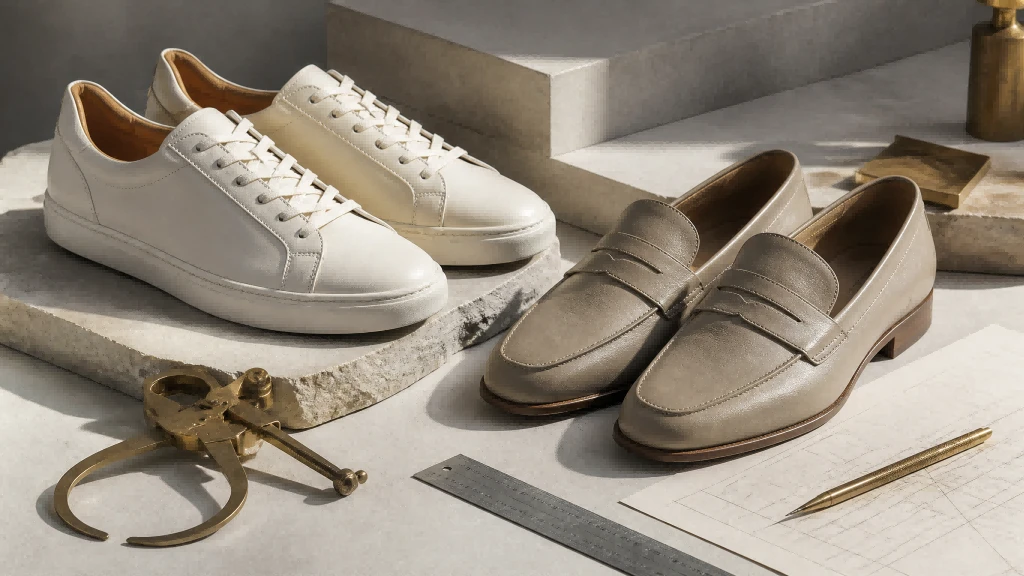
Classic sneakers, minimalist flats, casual slip-ons, and versatile sandals are practical starting points because they can serve different customer groups and occasions.
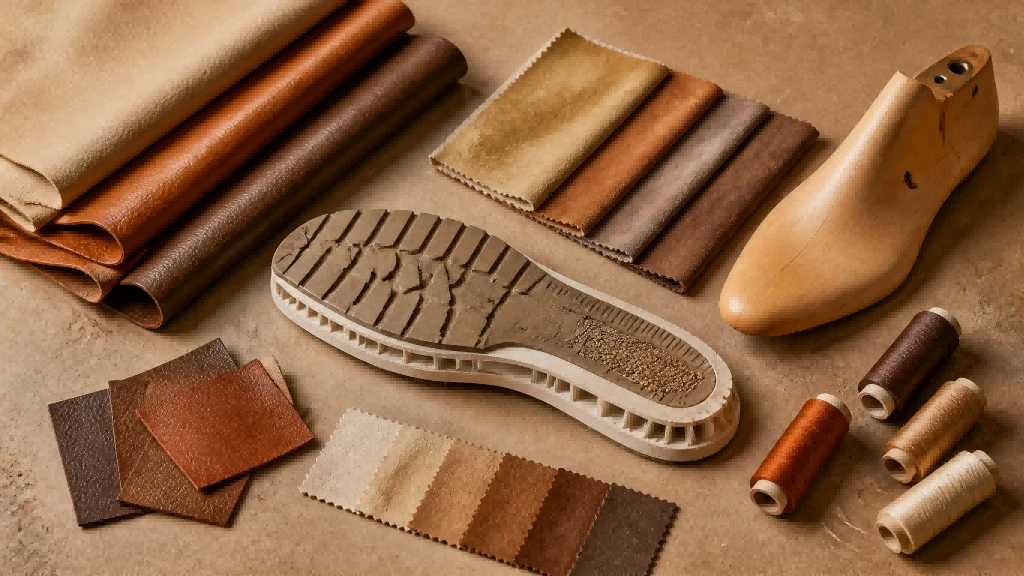
Common Upper and Outsole Materials
Material selection directly affects product appearance, comfort, durability, and manufacturing costs.
Upper materials:
- PU leather: Cost-effective, versatile, and available in various finishes.
- Microfiber leather: Offers a refined appearance and good durability.
- Genuine leather: Provides a premium feel and natural material characteristics.
- Mesh and knitted fabrics: Lightweight and breathable, commonly used in sneakers.
Outsole materials:
- Rubber: Offers good traction and abrasion resistance.
- EVA: Lightweight and cushioning, suitable for casual and sports footwear.
- TPU: Provides flexibility and structural support.
- PVC: A cost-effective option for certain footwear applications.
Understanding Manufacturing Processes
Different construction methods suit different footwear categories.
Cold cement construction is widely used in sneakers and casual shoes. Injection molding integrates materials through a molding process, while slip-on molding techniques can be applied to specific footwear designs.
The right construction method depends on the shoe design, material combination, performance requirements, and target price.
4. Find a Reliable Women's Shoe Manufacturer and Negotiate Core Terms
Finding the right manufacturing partner is one of the most important steps when developing private label women's shoes.
You can search for suppliers through B2B platforms, international footwear trade shows, direct factory visits, or professional sourcing agents.
Before placing an order, confirm the following details:
MOQ (Minimum Order Quantity): Ask about the minimum quantity per style and color. Also clarify whether different sizes can be combined within one order.
Sample cost and lead time: Understand the sample development fee, shipping cost, and estimated production time.
Bulk production lead time: Confirm the schedule after sample approval and deposit payment.
Logo customization: Ask about available branding methods, including woven labels, embossing, printing, metal badges, and insole logos.
Color customization: Check whether the manufacturer can match your preferred Pantone colors and whether additional costs apply.
Be cautious of suppliers who provide unclear quotations, avoid discussing quality standards, or promise unrealistic delivery dates. A reliable manufacturer should communicate openly about production capabilities, costs, and limitations.
5. Custom Branding Details: Logo, Labels, and Packaging
Branding is what makes your footwear recognizable to customers.
For private label women's shoes, common customization options include:
- Logo printing on insoles
- Woven labels on tongues or shoe linings
- Embossed logos on leather uppers
- Heel logos or decorative metal badges
- Custom hang tags and size labels
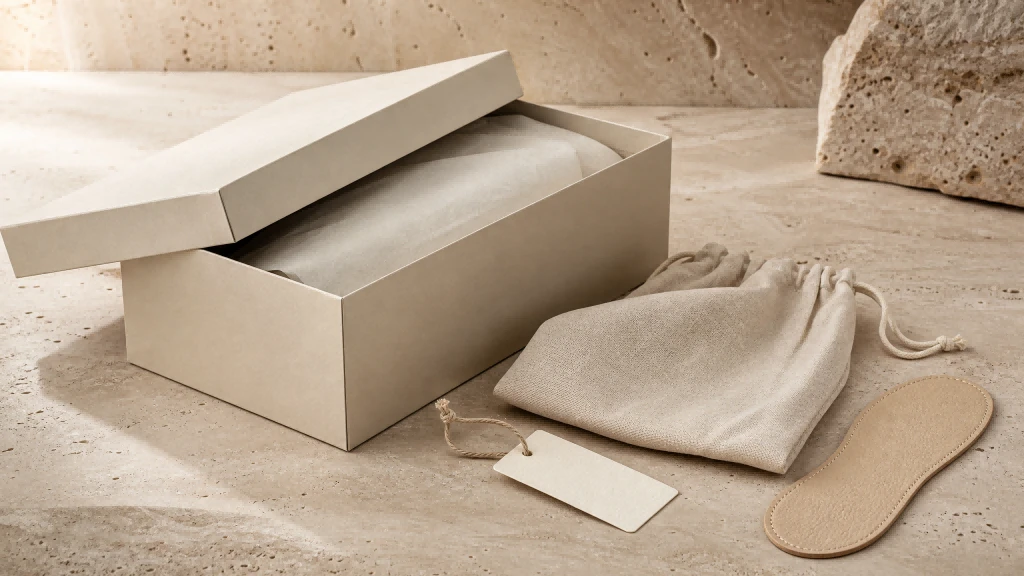
Packaging also contributes to the overall brand experience. Options range from standard shoe boxes and polybags to custom-printed boxes and premium gift packaging.
For startups, it is usually better to invest in essential branding elements first rather than spending too much on expensive packaging.
Consistent logo placement, colors, labels, and packaging can help create a professional brand image.
6. Certifications, Compliance, and Quality Inspection
Before selling your shoes in a target market, understand the applicable product safety and regulatory requirements.
Depending on your sourcing arrangements and destination market, relevant considerations may include:
BSCI and SEDEX: Social compliance and ethical sourcing assessments.
REACH: EU chemical restrictions relevant to materials and substances used in footwear.
California Proposition 65: Applicable chemical warning requirements for products sold in California when relevant exposure thresholds are met.
Note that BSCI and SEDEX are social compliance programs rather than product safety certificates. Requirements should be checked according to your product, market, and buyer obligations.
You should also confirm the correct women's shoe sizing system. US, UK, and EU sizes differ, so always approve a size conversion chart and conduct fit tests before bulk production.
Quality inspection should cover three important stages:
- Pre-production: Approve the sample, materials, colors, and construction.
- In-line inspection: Check workmanship and consistency during production.
- Final inspection: Examine appearance, sizing, stitching, glue application, and sole bonding before shipment.
Common defects include glue overflow, uneven stitching, color differences, and sole peeling. Clear inspection standards can help minimize these risks.
7. Pricing Strategy and Profit Calculation
Understanding your total costs is essential before setting retail prices.
Your product cost calculation should include:
- Upper and outsole materials
- Labor and manufacturing expenses
- Logo customization
- Packaging
- International shipping
- Import duties and taxes
- Platform commissions and marketing expenses
- Potential returns and after-sales costs
For example, a pair of women's sneakers purchased at USD 15 does not necessarily cost USD 15 when it reaches your warehouse.
If shipping, import duties, packaging, and other expenses add another USD 5 per pair, your landed cost becomes USD 20.
Your retail price should account for these expenses while leaving enough margin for marketing, operations, and future business growth.
Wholesale brands and direct-to-consumer (DTC) brands also have different pricing structures. DTC businesses may have higher retail margins but generally need to invest more in advertising, customer acquisition, and fulfillment.
8. Logistics, Incoterms, and Shipment Options
Choosing the right shipping arrangement can significantly affect your purchasing budget.
Common Incoterms include:
EXW: The buyer handles collection and transportation from the seller's premises.
FOB: The seller handles export clearance and delivery on board the nominated vessel.
CIF: The seller arranges freight and insurance to the destination port.
DDP: The seller arranges delivery with import clearance and applicable duties paid, subject to the agreed terms.
For transportation, sea freight is generally more economical for larger shipments but takes longer. Air freight offers a faster alternative at a higher cost, while express shipping is commonly used for samples and small parcels.
For new brands, a small trial order can help validate market demand before committing to larger inventory quantities.
9. Sales Channels: How to Sell Your Private Label Women's Shoes
Once your products are ready, choose the right sales channels.
E-commerce: Shopify provides flexibility for building an independent brand website. Amazon offers access to an established marketplace, while TikTok Shop and Instagram can support social commerce and product promotion.
Offline retail: Boutique stores, pop-up shops, and wholesale partnerships allow customers to experience your footwear in person.
Content marketing is another important growth tool. Consider creating product styling videos, material comparisons, behind-the-scenes manufacturing content, and customer reviews.
High-quality product photography and clear size information can also help improve customer confidence.
10. Common Mistakes New Private Label Shoe Brands Make
Many first-time footwear entrepreneurs encounter similar problems:
- Launching too many styles before understanding customer demand.
- Skipping size and fit testing, resulting in high return rates.
- Underestimating sample development and production lead times.
- Choosing packaging that does not match the brand's positioning.
- Ignoring chemical compliance and destination-market regulations.
- Failing to establish clear return and after-sales policies.
Avoiding these mistakes can save both money and time during your first collection launch.
11. Step-by-Step Launch Checklist for Private Label Women's Shoes
Here is a practical checklist to help organize your first footwear project:
- Define your target market and brand positioning.
- Select your initial shoe styles and material specifications.
- Research and shortlist two or three suitable manufacturers.
- Request quotations and confirm MOQ and development costs.
- Approve samples before starting bulk production.
- Confirm logo artwork, labels, and packaging.
- Place a trial bulk order.
- Arrange quality inspections before shipment.
- Prepare product photography, listings, and marketing materials.
- Launch your collection and collect customer feedback for future improvements.
Frequently Asked Questions
Q1: What is the typical MOQ for private label women's shoes?
MOQ varies depending on the manufacturer, shoe style, materials, and customization requirements. Some suppliers accept smaller orders for existing designs, while customized materials, colors, or outsole molds may require higher quantities. Always confirm MOQ per style and color.
Q2: How long does it take from sample development to bulk shipment?
Sample development commonly takes around 3–4 weeks, depending on design complexity and material availability. Bulk production may require another 45–55 days or more, depending on order quantity and factory scheduling.
Q3: Can I put my own brand logo on existing shoe styles?
Yes. Many manufacturers offer logo customization on existing designs through insole printing, woven labels, embossing, or other branding methods. The available options depend on the shoe construction.
Q4: Do I need a trademark before launching a private label footwear brand?
A registered trademark is not always required to start product development, but securing trademark protection before commercial launch is strongly recommended. Check trademark availability and registration requirements in your target markets.
Q5: What documents are needed to import women's shoes into the EU or USA?
Common shipping documents include a commercial invoice, packing list, and transport document such as a bill of lading or air waybill. Additional requirements depend on the product materials, country of origin, destination regulations, and customs classification.
Conclusion
Launching a private label women's shoe brand requires careful planning, from selecting the right styles and materials to finding a reliable manufacturing partner and managing quality control.
For new brands, starting with proven footwear designs and customized branding can be a practical way to enter the market while controlling development costs and inventory risks.
At Mychonly, we provide OEM and ODM footwear development and manufacturing solutions, helping brands turn their ideas into market-ready footwear. Whether you are developing women's sneakers, flats, casual shoes, or other footwear categories, our team can support your project from design development to production.