


The End of Deadstock: How 3D Printing Reshapes Footwear Cash Flow
Feb 28, 2026
Leave a message
The End of Deadstock
How 3D Printing Reshapes Footwear Cash Flow & Supply Chain Resilience
I. The Structural Liability: Why Traditional Footwear is a Financial Gamble
The global footwear industry has long been slave to the Minimum Order Quantity (MOQ). To leverage economies of scale and justify the massive upfront investment in metal molds-which can range from $3,000 to $8,000 per size/style-brands are forced to commit to production volumes that often exceed realistic market demand. This "Make-to-Stock" philosophy creates a fundamental mismatch between capital allocation and consumer behavior.
When a product fails to resonate, or when a trend shifts mid-season, the resulting "Deadstock" becomes a toxic asset. It requires physical storage, insurance, and eventual liquidations at 50-80% discounts, which not only erodes the specific product's margin but devalues the entire brand equity. From a Cash Flow perspective, the Cash-to-Cash (C2C) cycle in traditional manufacturing-the time from paying for raw materials to receiving cash from a customer-typically spans 180 to 240 days. This is a half-year window of extreme financial vulnerability.
Advanced lattice structures that optimize material use while eliminating the need for expensive tooling.
II. Additive Liberation: Breaking the Tyranny of Tooling
3D Printing, or Additive Manufacturing (AM), offers a radical departure from subtractive and formative methods. By utilizing digital CAD files to guide high-precision lasers or nozzles, the Unit Cost of production becomes independent of volume. Whether you produce one pair or one thousand, the cost per unit remains virtually constant. This is the death of the MOQ.
The Financial "Zero-Point" Shift:
- Elimination of Tooling Amortization: No more waiting for 10,000 sales to break even on mold costs.
- Instant Prototyping-to-Production: The bridge between a design concept and a sellable product is reduced from months to hours.
- Hyper-Personalization at Scale: Customizing a midsole for a specific user's weight and gait adds zero cost to the manufacturing process.
III. Digital Warehousing: Turning Physical Liabilities into Digital Assets
The most profound impact on the balance sheet is the transition to Digital Warehousing. In a 3D-printed ecosystem, finished goods are only "manifested" once a transaction is verified. This allows brands to maintain a "Long Tail" of styles without any physical inventory risk. The warehouse of the future is a server rack, not a 100,000-square-foot facility filled with boxes.
Localized Micro-factories
By deploying 3D printing "hubs" closer to major urban centers, brands can drastically reduce shipping costs and carbon footprints. This "Distributed Manufacturing" model collapses the Last Mile Delivery time and eliminates the complex logistics of trans-oceanic freight, which has become increasingly volatile due to geopolitical tensions.

IV. The Sustainability Dividend: Circular Cash Flows
Traditional footwear is notoriously difficult to recycle due to the complex bonding of multi-material components. 3D-printed footwear, however, often utilizes Monomaterial Designs-high-performance TPU or elastomers that can be ground down and reprinted. This creates a "Circular Cash Flow" where the raw material is an endlessly renewable asset. Brands can incentivize customers to return old shoes, reducing the cost of raw material procurement for future production runs.
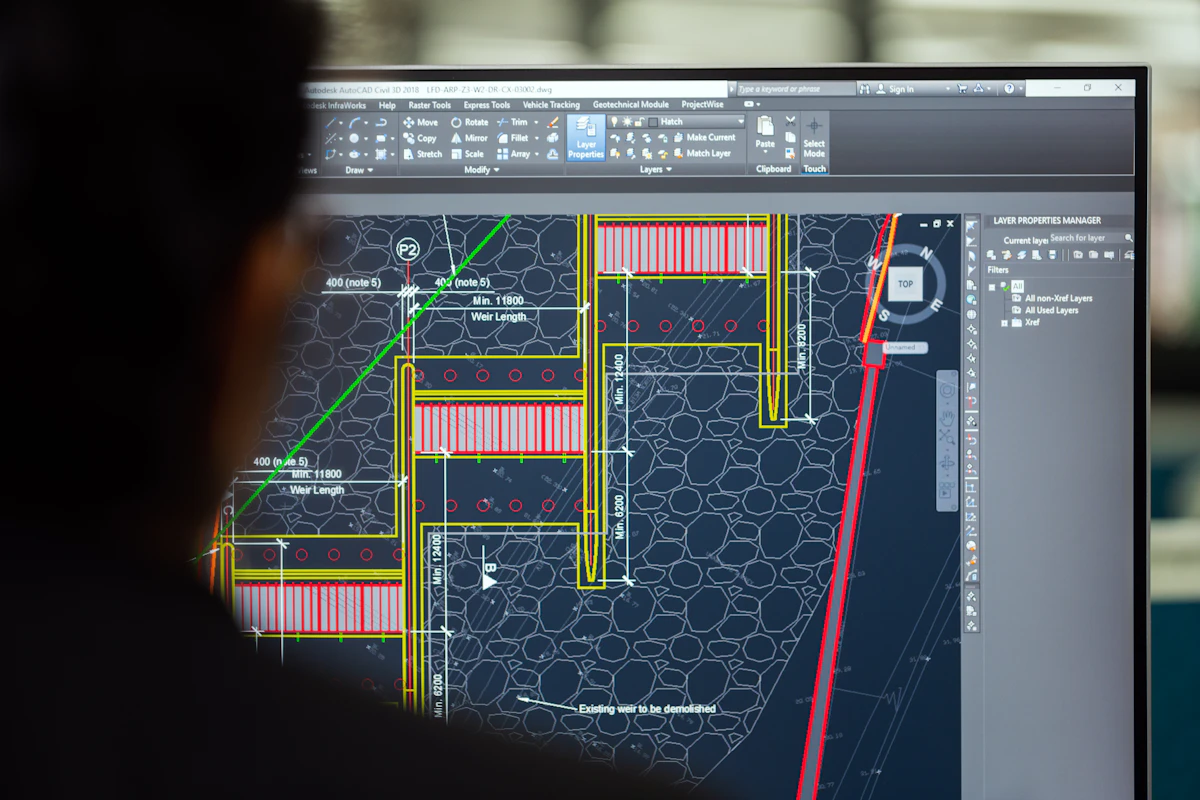
Simulating footwear performance digitally before a single drop of material is printed.
V. The Strategic Pivot: Agility as the New Scale
In the next decade, the competitive advantage in footwear will shift from Scale (who can produce the most) to Velocity (who can react the fastest). 3D printing is the engine of this velocity. It allows for a "fail fast, learn faster" R&D culture and a "sell first, make later" financial model. The end of deadstock is not just an operational goal; it is a financial imperative for any brand looking to survive the volatility of the 21st-century market.
Embrace the Digital Footwear Revolution
Ready to transition your production to an on-demand, zero-inventory model? Discover how our advanced 3D printing solutions can optimize your cash flow today.