


Why Footwear Prototypes Often Cost More Than Brands Expect
May 29, 2026
Leave a message
A Sneakers Manufacturer Explains the Real Cost Behind Sample Development
Many new footwear brands are surprised when they receive their first sample quotation from a sneakers manufacturer.
A common reaction is:
"Why does one sample cost so much?"
From the outside, a shoe sample may look simple. But in reality, prototype development involves engineering, sourcing, testing, labor, and multiple hidden costs that most startup brands do not initially understand.
In this article, we explain why footwear prototype development is expensive, what factors affect sample pricing, and how brands can reduce unnecessary development costs.
A Footwear Prototype Is Not Just "One Pair of Shoes"
Mass production and sample development are completely different processes.
In bulk production:
Materials are purchased at scale
Machines run continuously
Labor is optimized
Costs are distributed across hundreds or thousands of pairs
But during prototype development:
Everything is produced manually
Materials are purchased in tiny quantities
Machines require repeated adjustments
Multiple departments are involved
For a professional sneakers manufacturer, sample development is actually one of the most labor-intensive stages of production.
1. Pattern Making and Technical Development Costs

Before a sample can even be produced, the factory must create:
Upper patterns
Cutting files
Construction details
Last adjustments
Assembly specifications
This process requires experienced technicians.
For complex sneakers, pattern engineering alone may take:
Several hours
Or even multiple days
This technical development cost exists even before physical production begins.
2. Material MOQ Problems
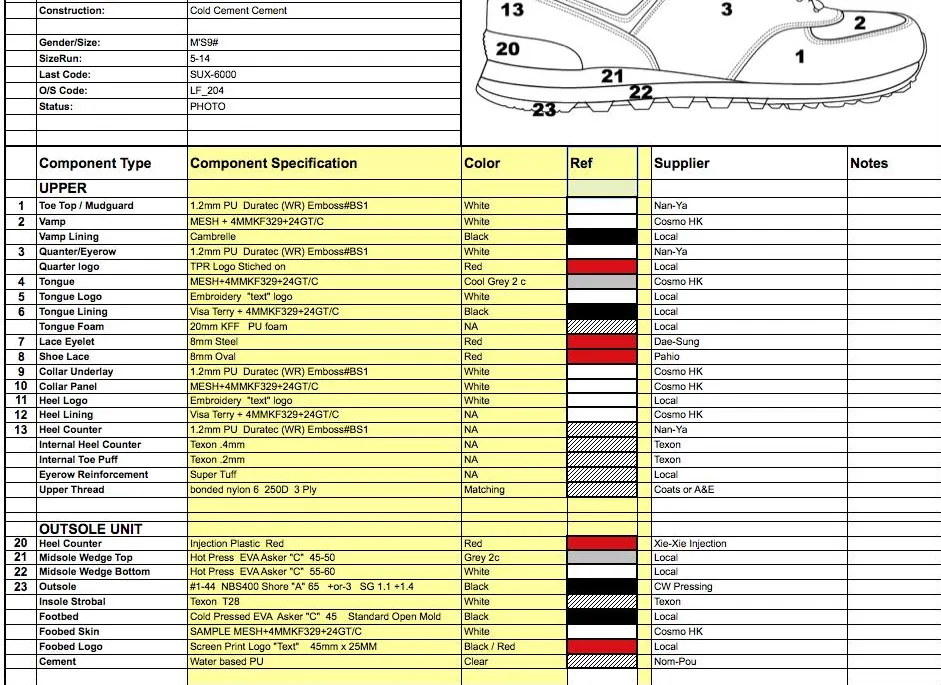
One of the biggest hidden costs in footwear development is material sourcing.
Many brands want:
Custom mesh
Special leather textures
Unique outsole colors
Branded lining fabrics
Custom foam density
However, material suppliers usually have MOQ requirements.
For example:
EVA or rubber outsole materials may require 300–500 pairs minimum production
Custom mesh suppliers may require hundreds of meters
Foam suppliers often refuse very small orders
A professional sneakers manufacturer often needs to negotiate with suppliers or absorb extra costs just to support small sample projects.
3. External Processing Factories Often Refuse Small Orders
Many sneaker components require outsourced processing:
Logo printing
Heat transfer
Embroidery
Mold stamping
Metal logo production
The problem is:
even if the actual printing cost per pair is extremely low, external factories may still reject tiny orders.
For example:
A logo print may cost less than $0.10 per pair
But for 50 pairs, the total order value is under $5
Most printing suppliers are not willing to stop production lines for such low-value orders.
This is one reason prototype costs increase significantly for small projects.
Experienced sneakers manufacturers often need long-term supplier relationships to even make these developments possible.
4. Outsole Development Is Extremely Expensive
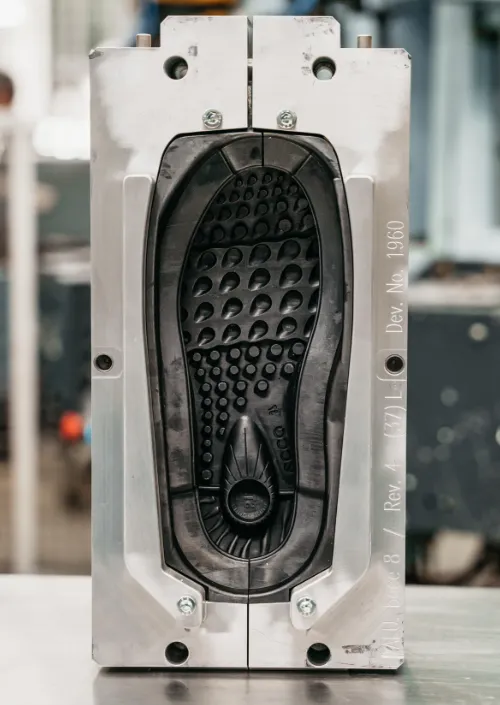
Custom outsole development is one of the largest expenses in footwear production.
New outsole development may require:
2D outsole engineering
3D mold development
CNC tooling
Mold testing
Rubber formula adjustment
Even simple outsole molds can cost:
Hundreds to thousands of dollars
This is why many professional sneakers manufacturers recommend startup brands begin with existing outsole platforms.
5. Sample Production Is Mostly Manual Work
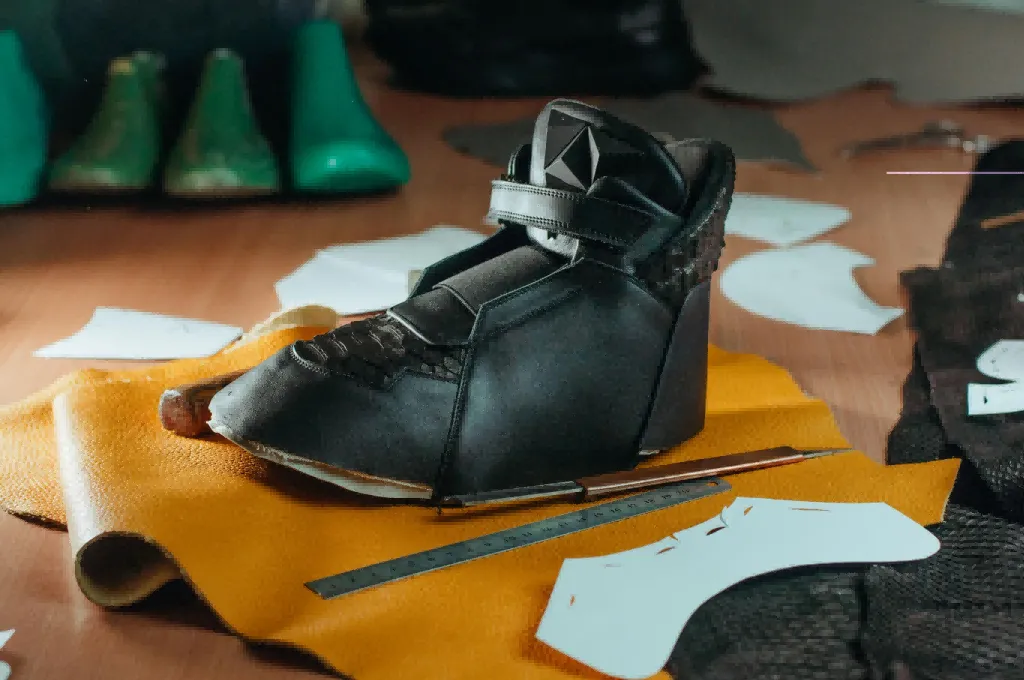
Mass production benefits from efficiency.
Samples do not.
Prototype development requires:
Manual cutting
Hand assembly
Constant machine adjustment
Repeated testing
Trial-and-error corrections
Many processes are slower during sampling because workers are building the shoe for the first time.
In reality:
sample production often takes far more labor hours per pair than bulk production.
6. Multiple Revisions Increase Costs Quickly
Most footwear projects require multiple sample revisions.
Typical revisions include:
Shape adjustment
Color correction
Material replacement
Outsole hardness changes
Logo repositioning
Fit optimization
Every revision restarts part of the process:
New materials
New cutting
New assembly
New testing
A professional sneakers manufacturer often invests significant unpaid development time during these revisions.
7. Why Many Factories Refuse Free Samples
Startup brands sometimes ask:
"Can you make free samples first?"
For factories, free development creates major risks:
Material waste
Engineering time
Labor costs
Supplier coordination
Machine occupation
This is why professional factories usually charge:
Sample fees
Development fees
Mold fees
Reliable factories treat development as a serious engineering process-not just a sales tool.
8. How Brands Can Reduce Prototype Costs
Use Existing Outsoles
Developing custom soles is expensive.
Using existing outsole molds helps:
Reduce tooling costs
Lower MOQ
Accelerate development
Avoid Excessive Customization Initially
Too many custom details create:
Supplier complications
Longer lead times
Higher development costs
Startup brands should first validate the market before adding complex customization.
Consolidate Revisions
Changing multiple things at once increases cost dramatically.
Instead:
Test systematically
Finalize materials early
Reduce unnecessary revisions
Work with an Experienced Sneakers Manufacturer
An experienced sneakers manufacturer can:
Recommend cost-efficient solutions
Suggest existing material options
Avoid engineering mistakes
Reduce development delays
This often saves more money long-term than simply choosing the cheapest factory.
Why Small Batch Production Is Becoming More Important
Today, many startup footwear brands prefer:
Smaller inventory
Faster launches
Market testing before scaling
To support this trend, some sneakers manufacturers now offer:
Existing outsole platforms
Lower MOQ production
Faster development systems
For many brands, producing:
100–300 pairs initially
is a much safer strategy than immediately investing in large-scale custom development.
Final Thoughts
Footwear prototype development is far more technical and resource-intensive than most brands initially expect.
The real costs come from:
Engineering
Material sourcing
Supplier coordination
Manual labor
Multiple revisions
Tooling investment
A professional sneakers manufacturer helps brands navigate these challenges efficiently while reducing unnecessary risks and development mistakes.
Successful footwear brands are built not only through creativity-but through smart development strategy.