


What Makes a High-Quality Sneaker?
Mar 26, 2026
Leave a message
A Sneakers Manufacturer's Perspective on Materials, Construction, and Quality Control
Many sneakers look similar online-but once worn, the difference in quality becomes obvious.
So what truly defines a high-quality sneaker?
From a professional sneakers manufacturer perspective, quality is not one factor-it is the result of materials, construction, and controlled production systems working together.
Material Quality: The Foundation
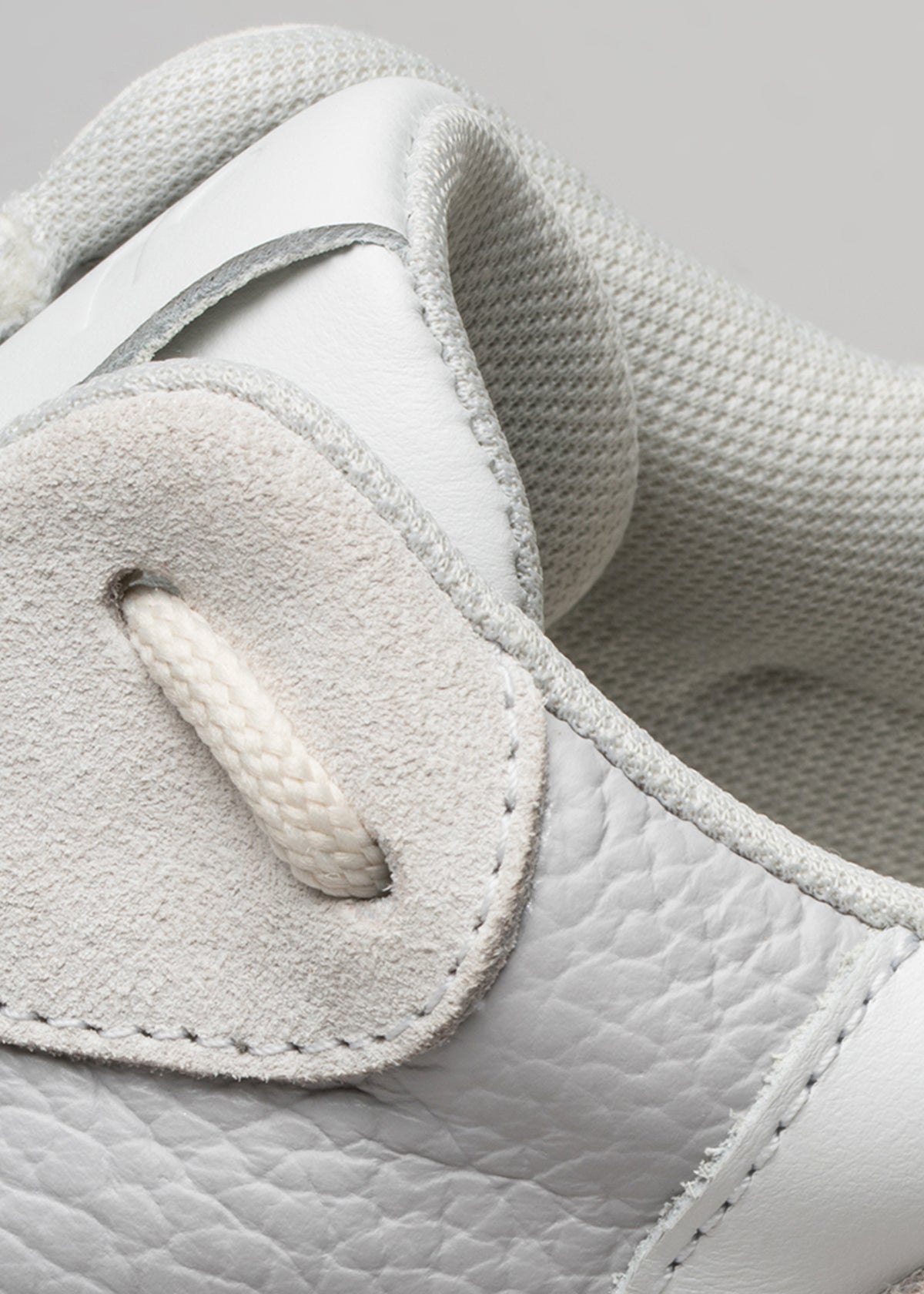
Upper Materials
High-quality sneakers use:
Full-grain or top-grain leather
Durable engineered mesh
Consistent synthetic materials
Poor-quality materials often show:
Uneven texture
Weak tear strength
Color inconsistency
A reliable sneakers manufacturer ensures materials come from stable suppliers.
Midsole & Cushioning
EVA density determines:
Cushioning performance
Durability
Compression resistance
Low-density EVA:
Feels soft initially
Collapses quickly
High-quality sneakers maintain structure over time.
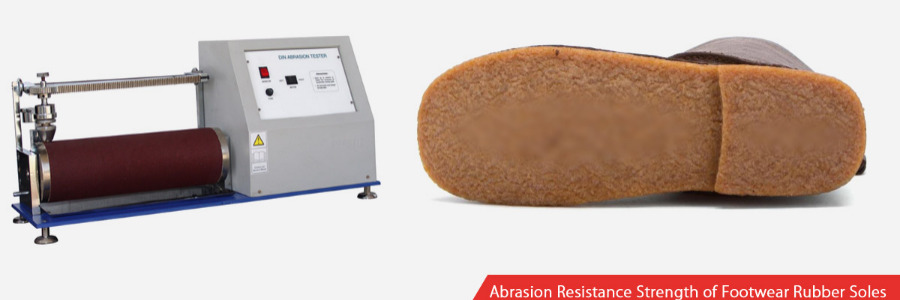
Outsole Durability
Rubber outsole quality depends on:
Compound formulation
Abrasion resistance
Grip performance
A professional sneakers manufacturer balances durability and flexibility-not just hardness.
Construction Quality: Where Craftsmanship Matters
Stitching
Indicators of quality:
Even stitch length
No loose threads
Reinforced stress points
Poor stitching leads to early failure.

Lasting & Shape
The lasting process defines:
Fit
Shape consistency
Comfort
An experienced sneakers manufacturer uses precise last control to maintain shape across sizes.
Sole Bonding
Bonding quality depends on:
Adhesive type
Surface preparation
Pressing process
Weak bonding results in:
Sole separation
Reduced lifespan
Quality Control Systems: The Hidden Factor
High-quality sneakers are not "checked"-they are controlled throughout production.
Key QC Processes
Incoming material inspection
Inline production checks
Final random inspection (AQL)
A structured sneakers manufacturer integrates QC into every stage.

Performance Testing Standards
Professional factories test for:
Flexing resistance (bending durability)
Adhesion strength (sole bonding)
Abrasion resistance (outsole wear)
Without testing, quality claims are unreliable.
Why Similar-Looking Sneakers Perform Differently
Two sneakers may look identical but differ in:
Material grade
Glue quality
Production precision
QC standards
This is why choosing the right sneakers manufacturer matters more than appearance.
Balancing Cost and Quality
Higher quality does not always mean luxury pricing.
Smart strategies:
Use high-impact materials where needed
Optimize non-critical components
Balance durability and cost
An experienced sneakers manufacturer helps brands achieve this balance.
Final Thoughts
A high-quality sneaker is the result of:
Reliable materials
Skilled construction
Structured quality control
Brands that understand this can:
Reduce returns
Build customer trust
Scale successfully
Working with the right sneakers manufacturer ensures these standards are consistently met.